The first 90 days of a new hire’s journey often determine whether they stay for years or quietly start scrolling job boards by month four. Yet most companies still treat onboarding as a one-day paperwork sprint instead of a structured experience that shapes performance, retention, and culture. Building a better onboarding process is no longer a nice-to-have HR exercise. It’s a competitive advantage that directly influences engagement, productivity, and your bottom line.
Key Takeaways
- Onboarding is a 90-day journey, not a one-day event. It spans four stages: pre-boarding, orientation, role-specific training, and ongoing integration, with check-ins continuing through the first year.
- Strong onboarding boosts retention and productivity. Structured programs improve retention by up to 82 percent and productivity by over 70 percent.
- Documentation, personalization, and technology are essential. A written plan, role-based customization, and platforms like BambooHR remove friction and create consistency.
- Avoid the most common mistakes. Treating onboarding as a single event, overloading new hires, inconsistent experiences, and skipping measurement weaken the entire process.
- What gets measured gets improved. Track time-to-productivity, retention rates, satisfaction scores, and manager feedback to refine the program continuously.
This guide walks you through how to design an onboarding process that actually works, the stages every effective program should include, and the tools that make it scalable for growing teams.
Why a Strong Onboarding Process Matters More Than Ever
Employee turnover is expensive. Replacing a mid-level employee can cost up to twice their annual salary when you factor in recruitment, training, lost productivity, and the ripple effect on team morale. A structured onboarding process directly reduces that risk. According to industry research, organizations with a strong onboarding program improve new hire retention by 82 percent and productivity by over 70 percent.
Beyond the numbers, onboarding sets the emotional tone of the employer-employee relationship. When new hires feel welcomed, informed, and equipped from day one, they’re more likely to engage deeply with their work, contribute ideas, and stay loyal to the company. A weak onboarding experience, on the other hand, signals disorganization and erodes trust before the employee has even completed their first project.

In a competitive talent market, the onboarding experience is often the deciding factor between a new hire becoming a long-term asset or a costly statistic.
The Four Stages of an Effective Onboarding Process
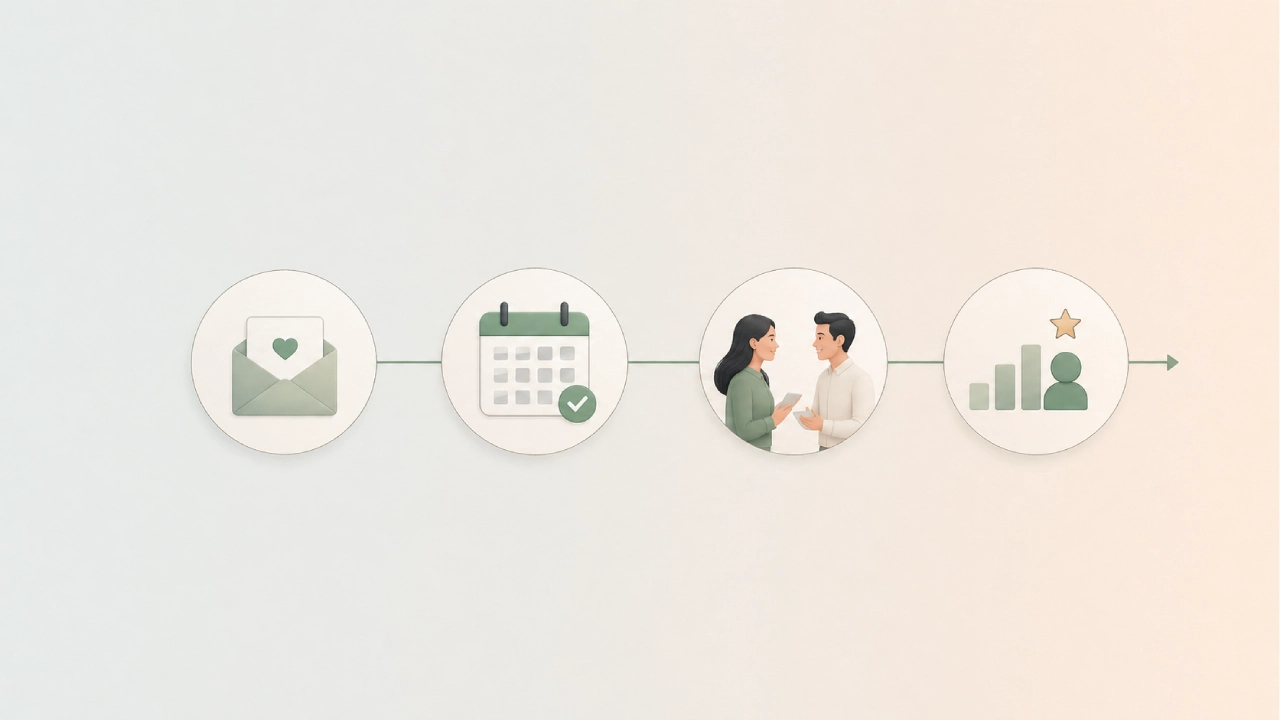
A well-designed onboarding process moves through four distinct stages, each with its own goals and deliverables. Skipping or rushing any stage weakens the entire experience.
Pre-boarding
Pre-boarding begins the moment a candidate accepts the offer and ends on their first official day. This window is often overlooked, but it’s where companies build early momentum. Send a warm welcome email, share a digital welcome packet, and provide access to any paperwork that can be completed in advance. Background checks, tax forms, direct deposit details, and policy acknowledgments belong here.
Pre-boarding also includes preparing the workspace, ordering equipment, setting up email accounts, and assigning a buddy or mentor. When new hires walk in on day one and find their laptop ready, their inbox set up, and a clear schedule waiting, the message is clear: this company is organized and they were expected.
Orientation
Orientation typically covers the first day or first week. This stage introduces the employee to the company’s mission, values, history, and organizational structure. It also handles the practical essentials such as office tours, IT setup, security badges, and benefits enrollment.
Effective orientation balances information delivery with human connection. Pair structured presentations with introductions to leadership, team members, and cross-functional partners. Avoid the common mistake of overloading new hires with hours of policy slides. Instead, break orientation into digestible sessions and reinforce key information with written resources they can revisit later.
Role-Specific Training
Once orientation wraps up, the focus shifts to role-specific training. This is where new hires learn the tools, workflows, expectations, and performance standards tied to their specific position. Training should be structured, documented, and delivered through a mix of formats including shadowing, hands-on practice, video tutorials, and direct coaching.
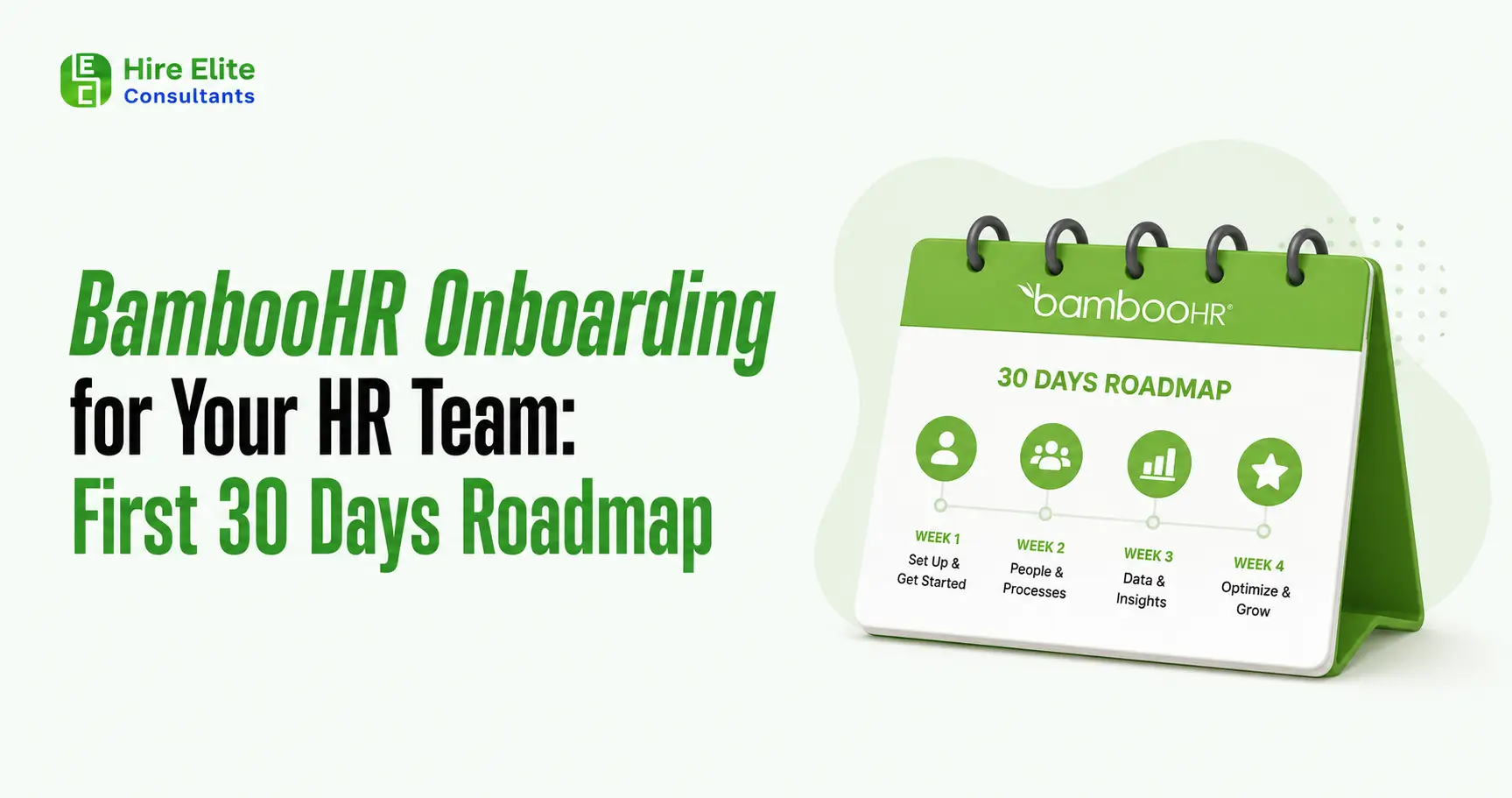
Set clear 30, 60, and 90-day goals so new hires understand what success looks like at each milestone. Schedule regular check-ins with their manager to address questions, provide feedback, and adjust the learning path as needed. Role-specific training is also when the assigned mentor or buddy becomes especially valuable, offering informal guidance that complements formal instruction.
Ongoing Integration
The fourth stage is the one most companies neglect. Onboarding doesn’t end at 30 days or even 90 days. True integration extends through the first year as new hires deepen relationships, take on stretch assignments, and grow into their full role.
Schedule structured check-ins at 30, 60, 90, and 180 days, followed by a six-month and one-year review. Use these conversations to gather feedback, identify development opportunities, and reinforce the employee’s connection to company goals. Encourage participation in team rituals, cross-departmental projects, and learning programs to build long-term engagement.
Key Elements Every Onboarding Program Should Include
While every company’s onboarding process should reflect its unique culture, several core elements are non-negotiable for a program that delivers results.
A clear written onboarding plan ensures consistency across departments and removes guesswork for managers. Documented workflows, checklists, and timelines make the experience repeatable and measurable. Without documentation, onboarding quality depends on whoever happens to be running it that month.
Personalization matters more than most companies realize. A software engineer and a sales representative need different ramp-up paths, different tools, and different success metrics. Build flexible templates that allow customization by role, department, and seniority level while maintaining consistent core experiences.
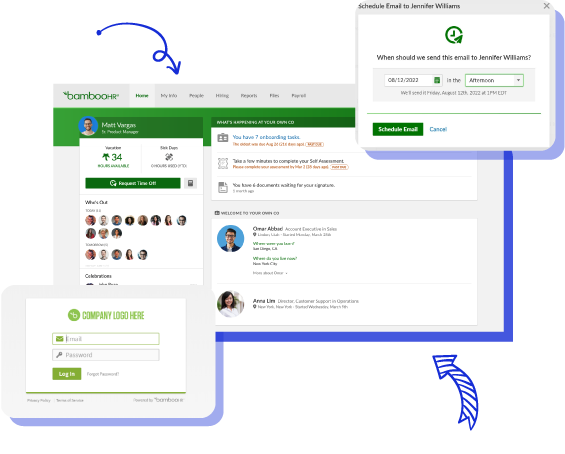
Technology should support the process, not complicate it. Modern HR platforms like BambooHR centralize documentation, automate workflows, track progress, and give new hires a single place to access everything they need. Manual onboarding through spreadsheets and email chains creates friction, increases errors, and frustrates both HR teams and new hires.
Cultural immersion is equally important. Share company stories, introduce internal traditions, and explain the unwritten rules that shape how work gets done. Culture is communicated through small moments, so be intentional about them.
Feedback loops complete the system. Survey new hires at multiple checkpoints during their first year and use the insights to refine the process. The companies with the best onboarding programs treat them as living systems that evolve with every cohort.
Common Onboarding Mistakes to Avoid
Even well-intentioned companies make predictable mistakes that undermine their onboarding efforts. Recognizing these pitfalls helps you avoid them.
The most common mistake is treating onboarding as a single event rather than a multi-month journey. A great first day means little if week three feels chaotic and unsupported. Another frequent error is dumping information on new hires faster than they can absorb it, leaving them overwhelmed and disengaged.
Inconsistent experiences across departments also damage credibility. When one team has a polished onboarding flow and another improvises on the fly, employees notice and morale suffers. Similarly, failing to involve direct managers in the process creates a disconnect between HR’s vision and the day-to-day reality of the role.
Finally, many companies skip the measurement step entirely. Without tracking metrics like time-to-productivity, 90-day retention, new hire satisfaction scores, and manager feedback, there’s no way to know what’s working or where to improve.
How to Measure Onboarding Success
A strong onboarding process is measurable. Track metrics that reveal both the employee experience and business impact. Time-to-productivity shows how quickly new hires reach full performance. Retention rates at 90 days, six months, and one year reveal whether onboarding is creating lasting engagement. Employee satisfaction surveys highlight where the process feels supportive and where it feels broken.
Manager feedback is equally valuable. Ask managers how prepared their new hires were, what gaps they noticed, and what they’d improve. Combine quantitative data with qualitative insights to build a complete picture and refine your program continuously.
Streamline Your Onboarding Process With Expert BambooHR Support
Building an onboarding program that scales with your team takes more than good intentions. It takes the right systems, automation, and expert configuration. At Hire Elite Consultants, we help businesses design, implement, and optimize BambooHR to power onboarding workflows that actually work.
From automated pre-boarding checklists to customized new hire portals and integrated training tracks, our team builds onboarding experiences that reduce administrative load and accelerate ramp-up time.
If you’re ready to turn your onboarding process into a retention engine, let’s talk about how BambooHR, configured the right way, can transform your first 90 days. Reach out today and start onboarding smarter.
Final Thoughts
A better onboarding process isn’t built overnight, but the investment pays off in stronger retention, faster productivity, and a more engaged workforce. Start by mapping your current process, identifying gaps across the four stages, and committing to consistent improvement. The companies that win the talent war aren’t necessarily the ones with the biggest budgets. They’re the ones that make every new hire feel supported, prepared, and excited from day one.